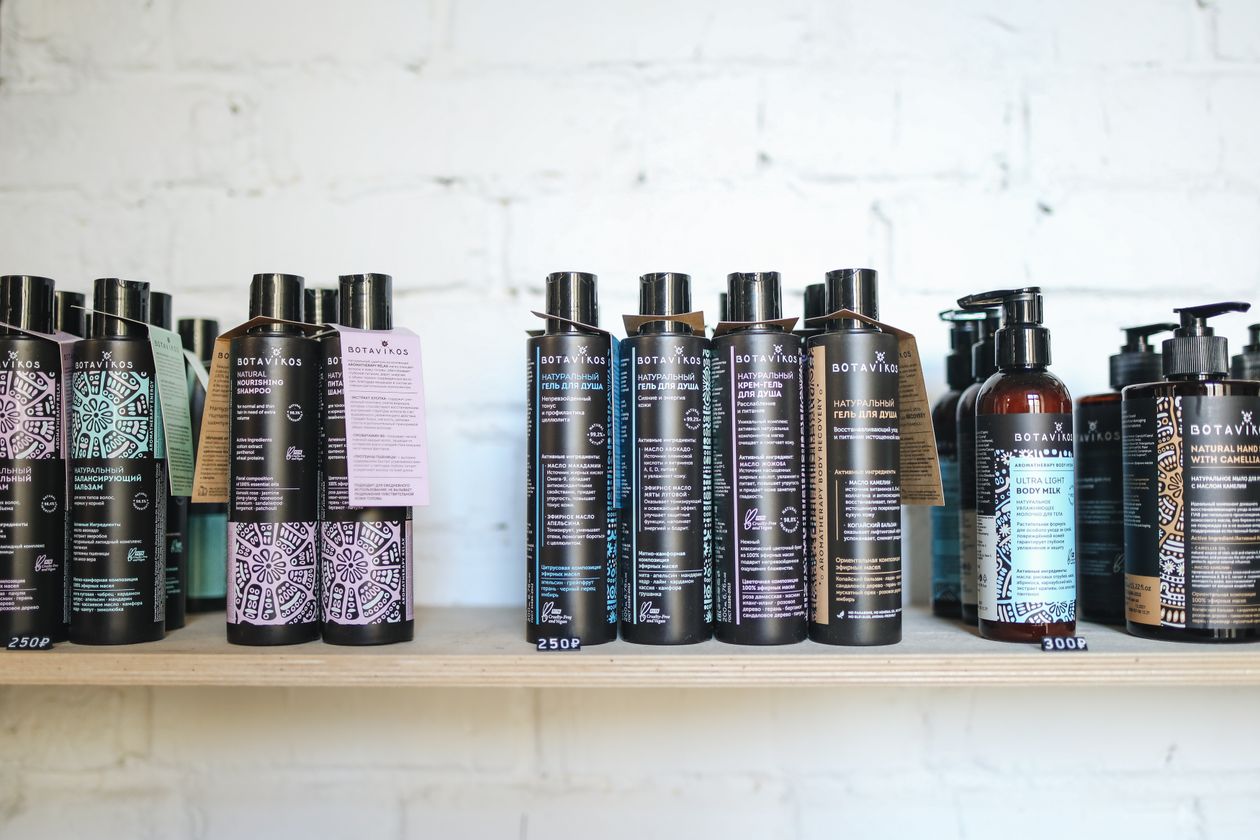
DHT blocker shampoos are one of the most accessible entry points for men dealing with androgenetic alopecia. The premise is straightforward: deliver DHT-blocking compounds directly to the scalp through a product you already use daily. But the question worth asking is whether topical contact time measured in minutes can meaningfully reduce a hormonal process that operates over months and years.
How DHT Blocker Shampoos Work
DHT blocker shampoos contain active ingredients designed to reduce dihydrotestosterone levels at the scalp. Unlike oral DHT blockers that work systemically by inhibiting 5-alpha-reductase throughout the body, shampoos attempt to deliver these compounds topically, directly to the follicles where DHT causes miniaturization.
The delivery challenge is real. Shampoo contact time is typically 2 to 5 minutes before rinse-off. Whether active ingredients can penetrate the scalp and reach follicle-level androgen receptors in that window depends heavily on the formulation, concentration, and the specific compound.
Key Active Ingredients
Ketoconazole (the strongest evidence)
Ketoconazole is an antifungal that also demonstrates anti-androgenic properties. It's the most studied topical compound for DHT-related hair loss in shampoo form. A frequently cited 1998 study in Dermatology found that 2% ketoconazole shampoo used 2 to 4 times weekly produced improvements in hair density and follicle size comparable to 2% minoxidil in men with androgenetic alopecia.
Ketoconazole works through two mechanisms: it disrupts DHT binding at the androgen receptor locally, and it has anti-inflammatory properties that may reduce the follicular inflammation associated with miniaturization. Available over the counter at 1% (Nizoral) and by prescription at 2%.
Saw Palmetto Extract
Several shampoo brands incorporate saw palmetto, a natural 5-alpha-reductase inhibitor with documented clinical effects when taken orally. Whether topical saw palmetto in a rinse-off product delivers meaningful scalp penetration is less clear. The evidence is largely extrapolated from oral study data, not shampoo-specific trials.
Caffeine
Caffeine has shown in vitro effects on hair follicle growth stimulation and may counteract DHT-induced suppression of hair matrix keratinocyte proliferation. Several European studies (notably from Dr. Tobias Fischer's research at Jena University) demonstrated that caffeine penetrates the hair follicle within 2 minutes of topical application, which is within typical shampoo contact time. However, the clinical evidence for meaningful hair regrowth from caffeine shampoo alone is limited.
Pumpkin Seed Oil and Biotin
Common in "natural" DHT blocker shampoos but with minimal evidence for topical efficacy in rinse-off formulations. Pumpkin seed oil has a solid oral study behind it, but topical delivery through shampoo has not been independently validated.
What Shampoo Can and Cannot Do
An honest assessment of DHT blocker shampoos requires acknowledging their limitations alongside their benefits.
How to Use DHT Blocker Shampoo Effectively
If you're going to use a DHT blocker shampoo, the protocol matters more than the brand:
- Choose ketoconazole-based. It has the strongest evidence. 2% prescription strength is better than 1% OTC, but both show clinical effect.
- Leave it on for 3 to 5 minutes. Don't just lather and rinse immediately. Contact time directly affects penetration and efficacy.
- Use 2 to 4 times per week. Daily use of ketoconazole shampoo can dry the scalp. Alternate with a gentle, sulfate-free shampoo on off days.
- Combine with an oral protocol. Shampoo works best as part of a multi-approach strategy, not as the sole intervention. Pairing it with a natural oral DHT blocker or minoxidil addresses the problem from both directions.
DHT Blocker Shampoo vs. Oral DHT Blockers
The comparison isn't really "vs." because they serve different roles. Oral DHT blockers like finasteride, saw palmetto, and combination supplements reduce circulating DHT systemically, which means every follicle in the scalp benefits from lower DHT exposure. Shampoo delivers localized effects during a brief contact window.
For men in early stages of thinning who want to start conservatively, a ketoconazole shampoo plus a natural oral supplement is a reasonable, low-risk combination. For men with more aggressive loss, the shampoo becomes a supporting element rather than the primary treatment.
For a shampoo formulated specifically around the Procerin DHT-blocking approach, procerinshampoo.com offers a purpose-built option designed to complement the oral supplement protocol.
Bottom Line

DHT blocker shampoos are real, not gimmicks, but they're also not a standalone solution for most men. Ketoconazole has genuine evidence. The other ingredients have weaker topical evidence. Used correctly as part of a broader protocol, a good DHT blocker shampoo contributes to scalp health and local DHT reduction. Used alone as your only intervention, it's unlikely to halt meaningful progression.